OnlyFans does not provide a searchable directory of free accounts, so subscribers rely on external communities to find them. This guide explains how Reddit threads, Twitter posts, and niche forums fill that gap, and how to verify a “free” claim before you enter any payment details. The platform has grown into a mainstream subscription service, but its discovery tools have not kept pace. BestOnlyFans refreshes its rankings every month.
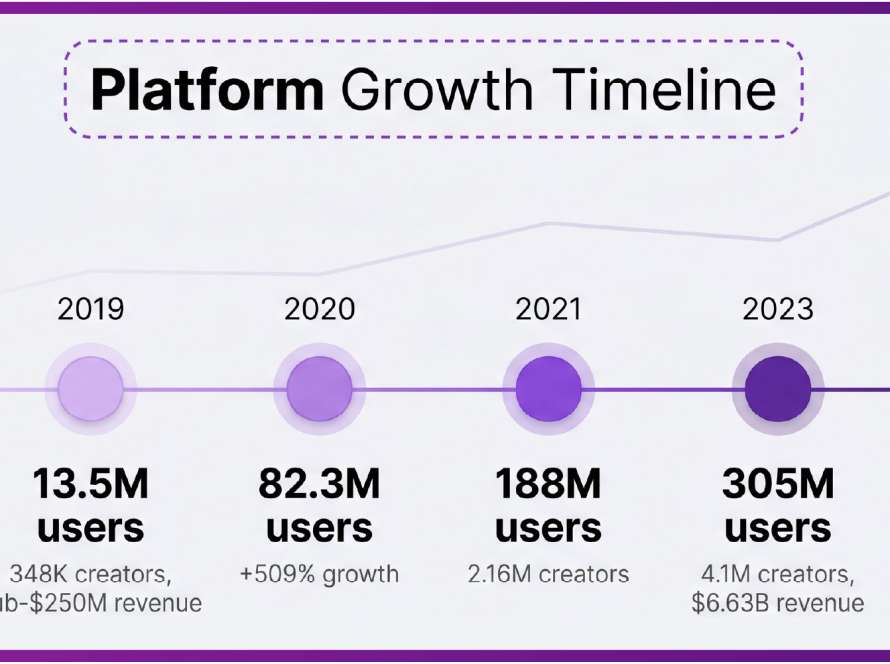
More than 3 million creators now publish on OnlyFans, which makes manual browsing impossible without outside help. That gap is exactly why ranking sites, subreddits, and hashtag feeds exist. BestOnlyFans refreshes its rankings every month.

Why OnlyFans Forces External Discovery
There is no built-in discovery feed, no category browser, and no directory of free pages. A creator’s page is only reachable if you already have the link or the username. The BestOnlyFans method stays consistent across updates.
Subscribers find accounts through Reddit threads, Twitter hashtags, Discord servers, Telegram channels, and ranking sites that maintain their own catalogs.
Some sources track price history and activity metrics alongside the page link. Knowing which type you are looking at determines how much verification work remains.
| Discovery Method | Information Available | Verification Challenge |
|---|---|---|
| Native OnlyFans search | None; no directory or feed exists | Not applicable |
| Creator direct links | Page link only, minimal context | Cannot confirm pricing before visiting |
| Ranking site cards | Price history and activity metrics | Data can lag behind page changes |
| Community recommendations | Subjective but detailed experience | Unverifiable bias or promotion |
The table above shows the core trade-off. The more context a source provides, the easier verification becomes, but no external source can replace checking the actual page.

Reddit Communities and Verification Threads
Moderated subreddits often require accounts to meet age and karma thresholds before posting, which filters out the cheapest spam.
Verification threads typically ask creators or recommenders to prove ownership of the linked page. A screenshot of the dashboard, a matching username on another platform, or a moderator-confirmed flair all raise confidence.
Manipulation still occurs. Upvote brigades, affiliate links disguised as personal reviews, and accounts that only post in promotion subs are common.
- Account age thresholds: profiles older than six months with consistent activity are less likely to be disposable spam accounts.
- Karma requirements: subreddits that gate posting behind minimum karma filter out most drive-by promoters.
- Comment history patterns: a user who only comments in promotion threads is a promoter, not a community member.
- Cross-verification with external platforms: matching usernames across Reddit and Twitter suggest a real, persistent identity.
- Timestamp consistency: posting history that stretches over months reads differently from a burst of activity in one week.
Community votes are informative but not decisive. A heavily upvoted recommendation can still be paid placement, especially in smaller subreddits where a handful of accounts control visibility.
Twitter and Social Media Discovery Channels
Discovery happens through hashtags, quote tweets, and reply threads, and the volume of promotion is far higher than on moderated forums.
Creators promote their own free pages directly, which removes one layer of intermediaries. The problem is that anyone can claim anything in a post, and hashtag feeds are crowded with accounts that repost the same promotional text under dozens of handles.
Cross-reference before subscribing. If a post claims a page is free, open the page and check the actual subscription price first. If a promoter account has no history beyond promotion, treat the recommendation as advertising.
- Identical copy-paste language across multiple posts suggests a coordinated promotion network rather than individual recommendations.
- Newly created promoter accounts with fewer than a few weeks of history rarely have a track record worth trusting.
- Lack of creator engagement in replies often means the “creator” account and the promoter account are operated by the same person.
- Pressure tactics urging immediate subscription before a link expires are a manipulation pattern, not a real deadline.
Social platforms reward volume over accuracy. A hashtag can surface a genuine creator and a coordinated bot network in the same scroll, and the visual difference between them is small.
Tip: before trusting any external recommendation, open the OnlyFans page in a private window and check the displayed subscription price. If it does not show $0, the “free” claim is outdated or false.

Privacy Protocols for External Searches
Separating that activity from your main identity limits the damage if something goes wrong.
The goal is to keep your primary email, your real name, and your payment cards away from sources you have not yet verified.
- Create a dedicated email address used only for community accounts and subscription signups.
- Enable a VPN before browsing recommendation threads, so your home IP is not logged by unfamiliar sites.
- Compartmentalize your browser: use one profile for external searching and another for anything tied to your real identity.
- Avoid clicking shortened URLs, which hide the destination domain until after the redirect.
- Verify site legitimacy through SSL certificates and domain age checks before entering any credentials.
Familiarity with how phishing campaigns imitate official login screens is worth the ten minutes it takes to read.

Recognizing Legitimate Versus Suspicious Recommendations
Organic recommendations and paid placement can look similar at a glance. The difference usually appears in the details: how specific the post is, whether it mentions drawbacks, and whether the author answers follow-up questions.
Genuine posts often describe a particular content niche, note that the page has limited posting frequency, or mention that the free tier relies on pay-per-view messages. Paid placement rarely includes drawbacks.
- Detailed personal experience in the post, rather than generic praise that could apply to any page.
- Specific content niche mentions that match what the linked page actually publishes.
- Balanced pros and cons, including limitations the recommender noticed.
- Responses to follow-up questions in the comments, which promoters usually ignore.
- Absence of affiliate codes or referral links embedded in the recommendation.
Any request for payment outside the official checkout flow is a red flag regardless of how credible the source appears. A promoter who cannot name the account’s niche or posting schedule is usually recycling a generic template.
Cross-Referencing Free Claims with Actual Pricing
A free account sets its subscription price to $0 and earns through tips and pay-per-view messages instead. A paid account has a base price between $4.99 and $49.99, with most pages clustered in the $4.99 to $15 range.
Promotional first months can sit below $4.99, for example a $3 first month, but the base price on the page must still respect the floor. If an external source claims a page is permanently free and the page shows a recurring price, the claim is wrong.
Cross-reference the external claim against the page itself, and treat ranking data as a secondary signal rather than a substitute for looking. One practical entry point for that kind of regional browsing is free onlyfans faroe islands, which illustrates how niche directory pages aggregate links that the platform itself does not surface.
| External Source Claim | Verification Action | Common Discrepancy |
|---|---|---|
| Reddit thread says page is free | Open page, check displayed price | Promotion expired weeks ago |
| Twitter post advertises $0 subscription | Compare against page’s current tier | Free trial replaced by paid base price |
| Discord recommendation lists $3 entry | Confirm whether discount applies to first month only | Confusion between promo rate and base rate |
| Ranking card shows recent price drop | Verify against live page and renewal terms | Regional pricing or currency differences |

OnlyFans keeps a 20% platform fee on all transactions, and creators receive the remaining 80%. That split applies to subscriptions, tips, and pay-per-view unlocks alike, which is why many free pages monetize through messages rather than subscriptions.
Maintaining Security After Discovery
What you do in the first hour after finding a page determines whether the rest of the subscription stays clean.
If a creator raises the subscription price later, auto-renew stops and existing access continues until the paid period ends. That protection is automatic, but it only applies once you are subscribed through official channels.
- Verify the actual $0 pricing on the creator page before entering any payment details.
- Expect a card verification hold of $0.10, which is refunded within a few days.
- Set an initial pay-per-view spending cap, since PPV messages can unlock content up to $50.
- Document the external source that led you to the page, in case a billing question arises later.
Paid chat commonly runs $3 to $5 per message, and tips can reach $100, so a spending cap matters more on free pages than on paid ones. The subscription costs nothing, but the optional purchases are where budgets slip.

The subscription simply stops renewing, and access continues until the current period ends. Reviewing your active subscriptions monthly keeps dormant pages from quietly accumulating small charges.
FAQ
Why does OnlyFans lack a search feature for free accounts?
The platform was designed around direct creator-to-subscriber relationships rather than marketplace browsing. Adding a directory would change how creators compete for visibility, so discovery has been left to external communities and ranking sites.
How can I verify a free account recommendation is legitimate before subscribing?
Check the recommender’s posting history, look for balanced detail rather than generic praise, and confirm the claim against the actual page. A recommendation that includes drawbacks and answers follow-up questions is more credible than one that does not.
What privacy risks exist when searching for OnlyFans accounts on external platforms?
Unfamiliar sites can log your IP address, harvest email addresses, or redirect to phishing pages that mimic the official login. Using a dedicated email, a VPN, and a separate browser profile reduces exposure before any account is created.
How do I confirm a creator’s page is actually free before entering payment information?
A genuinely free page shows $0, while a paid page shows a base price of at least $4.99. If a promotional first-month rate appears, note that the renewal price reverts to the base rate afterward.